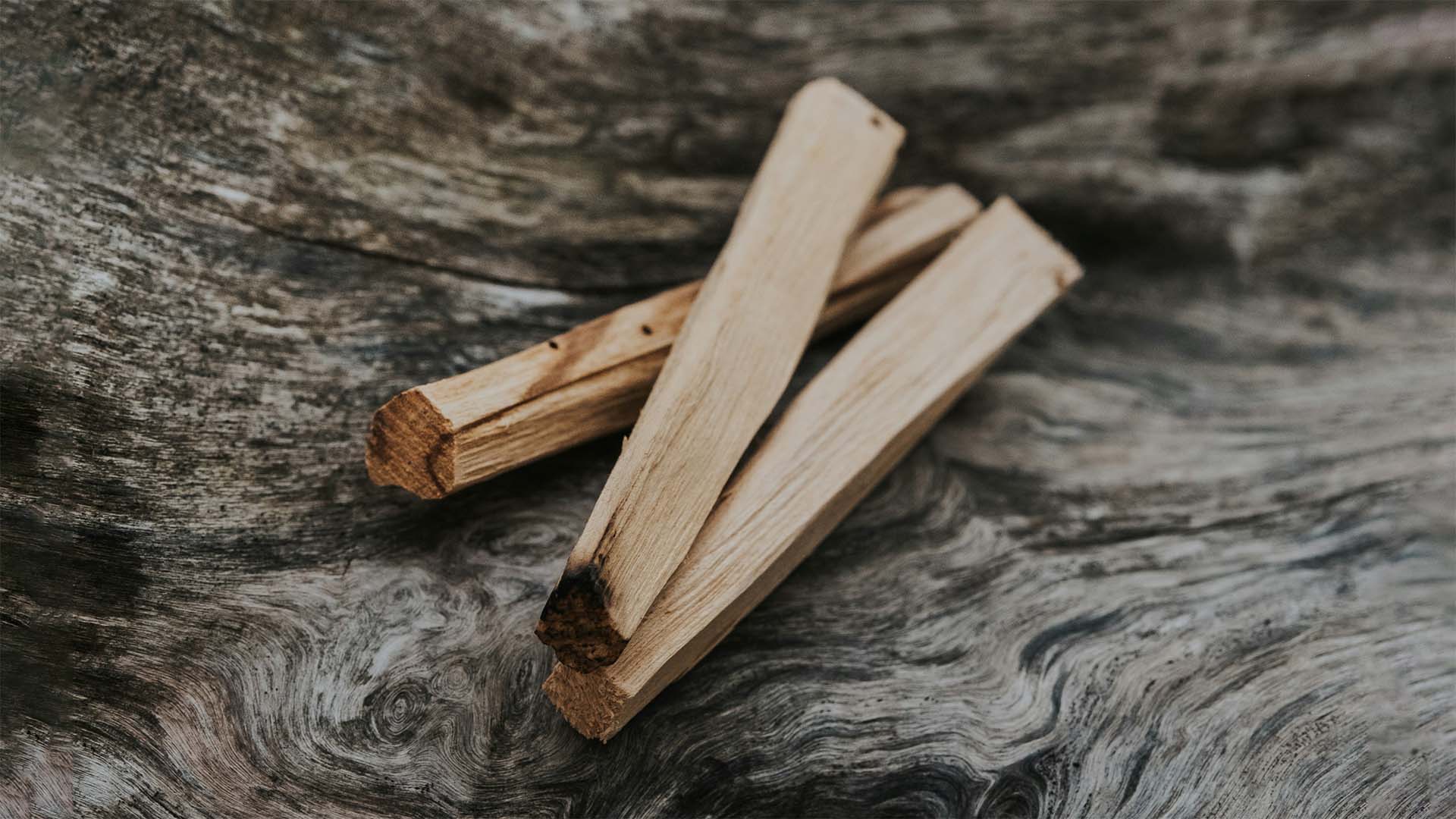
Sandalwood: Smooth, Sensual, Spiritual
Sandalwood is one of our most beloved scent notes – a true classic in the world of perfumery, with a use spanning over 2,000 years.
We can recognize sandalwood by its soft, woody character, often perceived as creamy or even milky. It usually carries a distinctly warm sensation, sometimes with subtle smoky nuances, and is most commonly found among the base notes in the scent pyramid, where it functions as a fixative to extend longevity and act as a bridge between other notes.
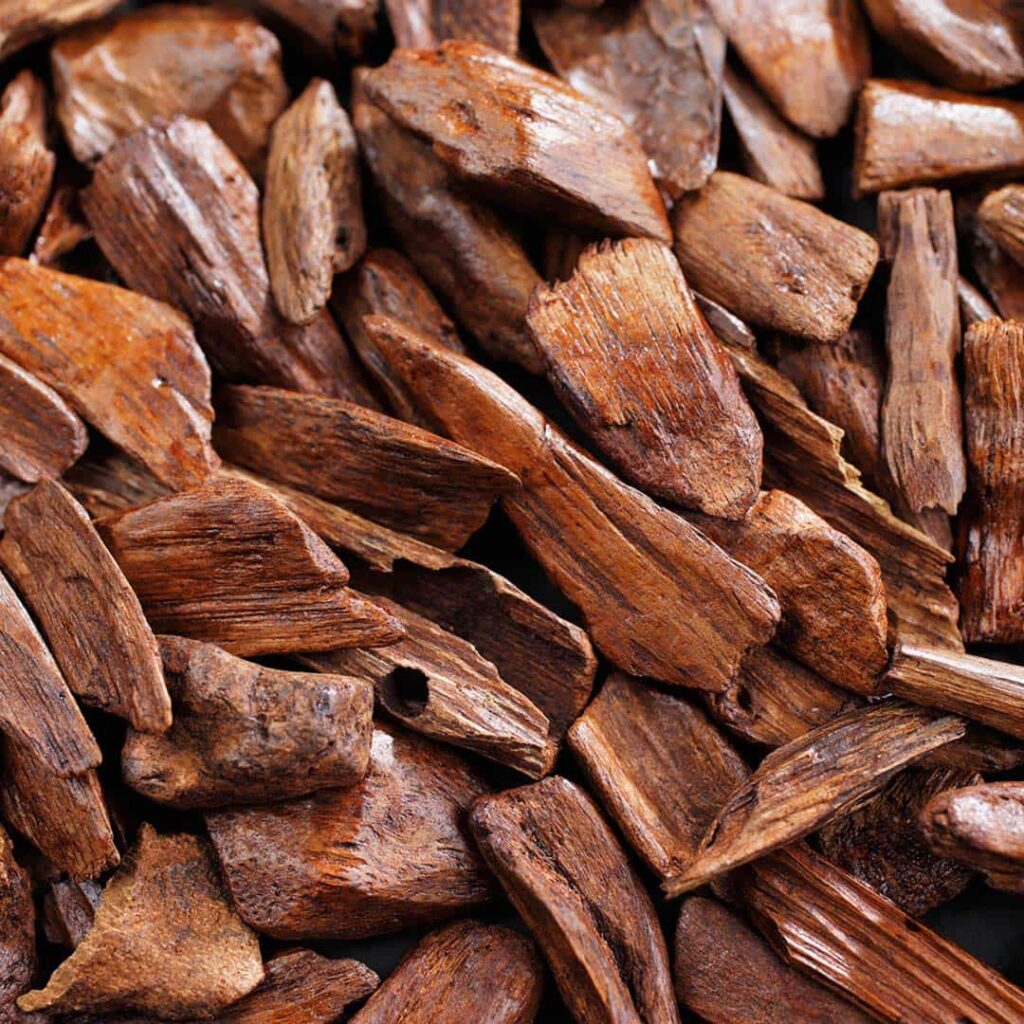
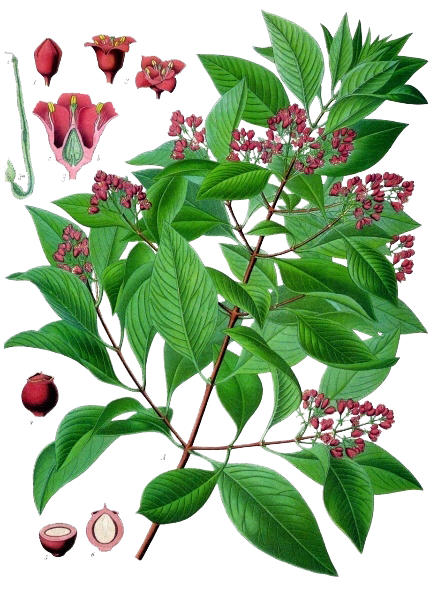
The genus Santalum, naturally found in India, Southeast Asia, and the Pacific, is the source of the note, which can vary in character depending on region and species. The tree itself must be several decades old for the note to be extracted, and the most exclusive raw material comes from trees over 50 years old. This naturally affects both availability and cost, making sandalwood – alongside oud – one of the most expensive woody notes in modern perfumery. Historically, the species S. album was primarily used in perfume; however, following its status as a protected species, synthetic versions of the note or other species within the genus are used instead.
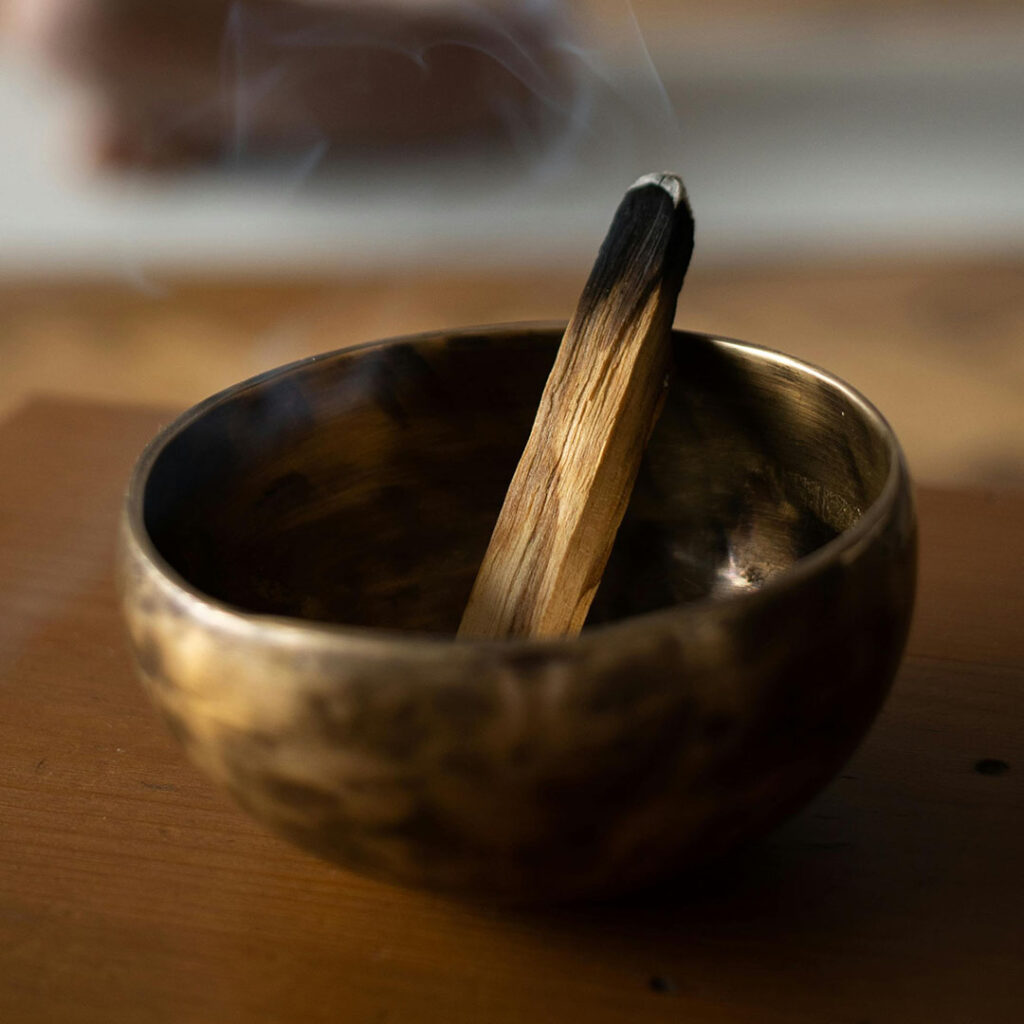
The name “sandal” comes from the Sanskrit word “Chandana”, meaning roughly “wood for burning incense” – reflecting the note’s spiritual uses. It is used in Hindu and Buddhist ceremonies, both as incense and in carvings of religious statues, as well as ground into powders or made into pastes. Sandalwood is also considered to have healing properties: traditional Chinese medicine and Ayurvedic practices use sandalwood oil to treat a variety of ailments. The oil is considered to be antiseptic and moisturizing, making it a common ingredient in skincare products. Some studies even suggest it can enhance focus and reduce anxiety.
In terms of composition, sandalwood is present in all types of fragrances – the notes shine in everything from florals to leathers, light citrus scents to gourmands. In Western perfumery, it has become increasingly prominent over the last 200 years, with notable early use in Guerlain’s Jicky (1889) and Shalimar (1925). Today, it is found in modern classics such as Le Labo’s Santal 33, The Opening from NEH, and MA|LO’s bestseller Padre.
Curious to explore the storied sandalwood further? Start here!

In the Soft Sandalwood trio, you’ll explore three scents that showcase the note’s versatility. You’ll find everything from soft, milky nuances to soulful smokiness and freshness here! (£42, Value £70)